Immigration in 19th-Century Singapore: The Making of a Multicultural Port City
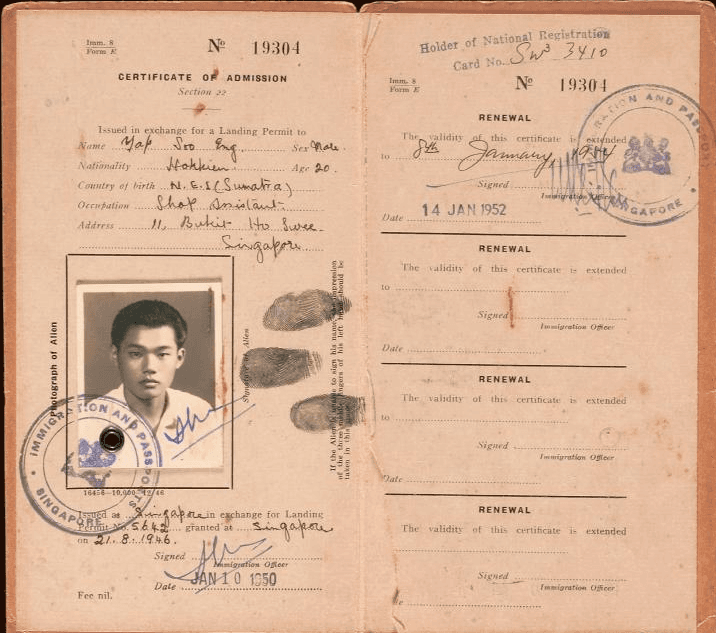
In the 19th century, Singapore’s rise as a thriving colonial entrepôt was fueled by waves of immigration, drawing laborers, merchants, and adventurers from across Asia and beyond. The British East India Company’s establishment of Singapore as a free port in 1819 marked the beginning of a dramatic demographic transformation.
Key Immigrant Groups
Chinese Migrants
Fleeing poverty and unrest in southern China, Hokkien, Teochew, and Cantonese migrants arrived as coolies (indentured laborers) to work in mines, plantations, and docks.
Wealthy Peranakan (Straits Chinese) merchants, already established in the region, dominated trade and built clan associations for community support.
Indian Migrants
Tamil laborers were recruited for public works, such as road-building and the construction of colonial infrastructure.
Chettiar moneylenders from South India played a crucial role in financing trade and small businesses.
Malay & Archipelago Migrants
Javanese, Bugis, and Boyanese settlers arrived as fishermen, craftsmen, and traders, reinforcing Singapore’s Malay-Muslim cultural roots.
European & Eurasian Communities
British administrators, merchants, and missionaries formed the colonial elite, while Eurasians (of mixed European-Asian descent) worked as clerks and skilled professionals.
The Immigration Process
Disease & Mortality: Poor sanitation in coolie quarters led to outbreaks of cholera and malaria.
Cultural Retention & Blending: Immigrants preserved traditions through temples, mosques, and festivals while gradually forming a hybrid Straits Settlements identity.
Legacy
This era laid the foundation for modern Singapore’s multicultural society. The struggles and contributions of 19th-century immigrants—from the coolies who built the city to the merchants who fueled its economy—remain etched in its streets, surnames, and collective memory.
BACK