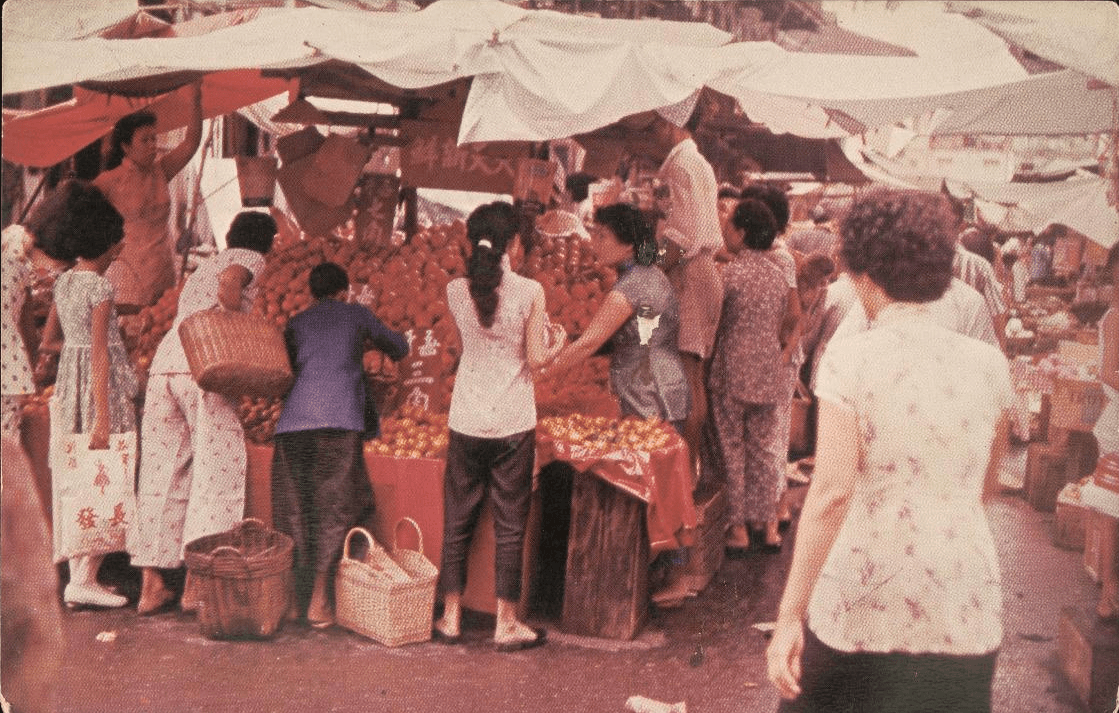
History of Singapore's Chinatown
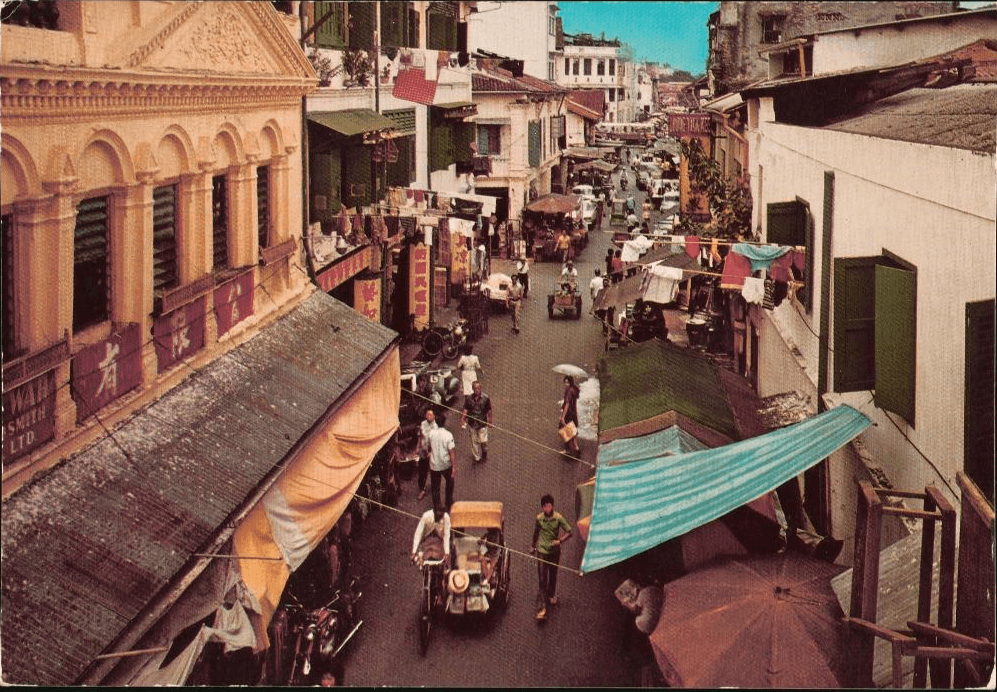
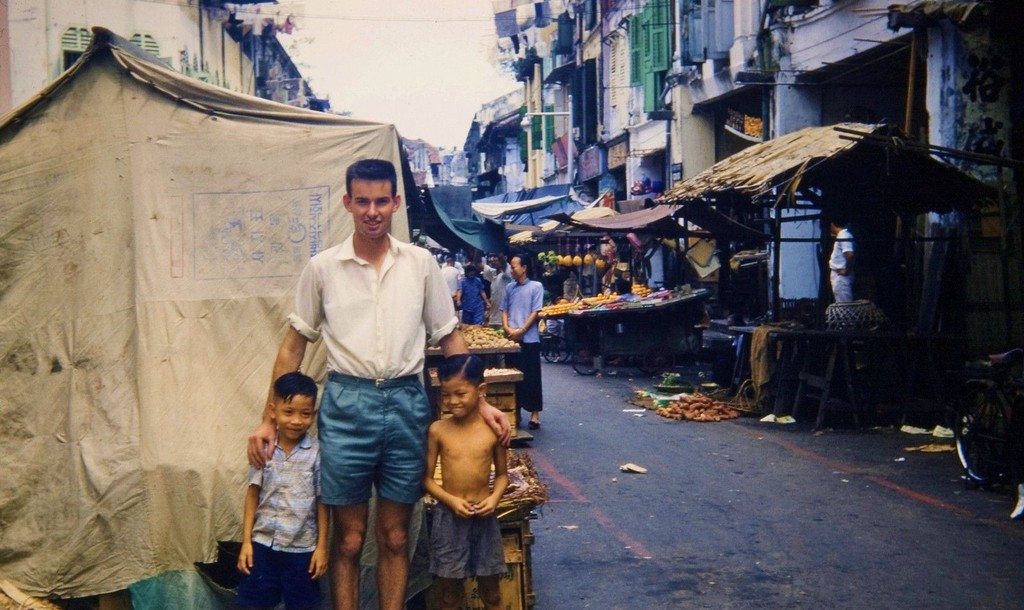
The historical quarter of Chinatown developed from the ‘Chinese Campong’, a Chinese colony marked by Sir Stamford Raffles in his 1822 Town Planning for Singapore. Constructed along the southwestern riverbank of the Singapore River, the colony initially spanned a region of one square mile and was divided into areas each inhabited by distinct Chinese dialect communities. Major construction of the quarter started in the 1840s when more land leases were granted for building shophouses, and by the turn of the new century, the area commonly faced overcrowding and traffic congestions. From the mid-1960s onwards, many of Chinatown’s inhabitants were relocated to new residential estates as a result of government-led urban revitalization and relocation programs. Major refurbishments of the shophouses within Chinatown were implemented in the 1980s and numerous of the street food vendors in the vicinity were transferred to Kreta Ayer Complex. In 2002, the Singapore Tourism Board launched the Chinatown Heritage Centre on Pagoda Street, aiming to highlight the region's extensive history.