CULTURE AND TRADE

In 19th-Century Singapore

CULTURE AND TRADE

In 19th-Century Singapore

WHAT LIFE WAS LIKE DURING 1900s?
In the 19th century, Singapore transformed from a sleepy fishing village into a bustling colonial port under British rule. The island’s strategic location attracted merchants, laborers, and migrants from China, India, the Malay Archipelago, and Europe, creating a vibrant multicultural society.

DAILY LIFE & WORK

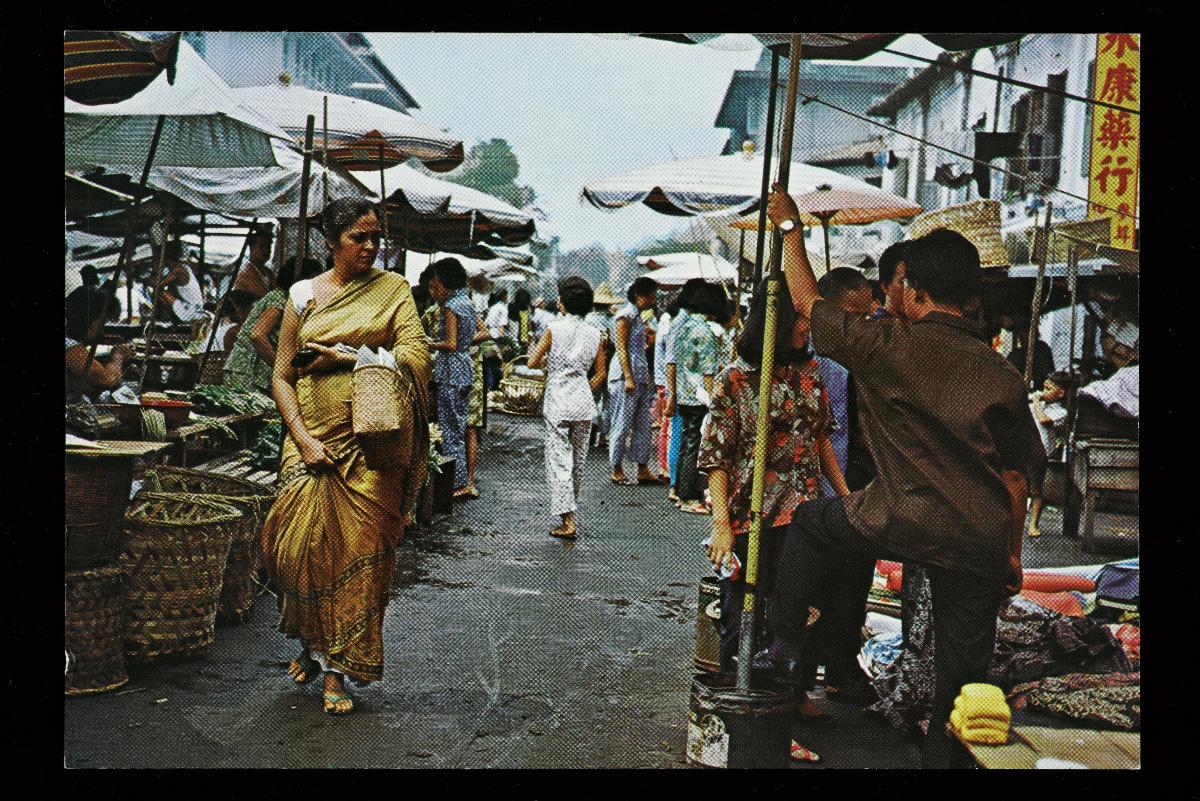
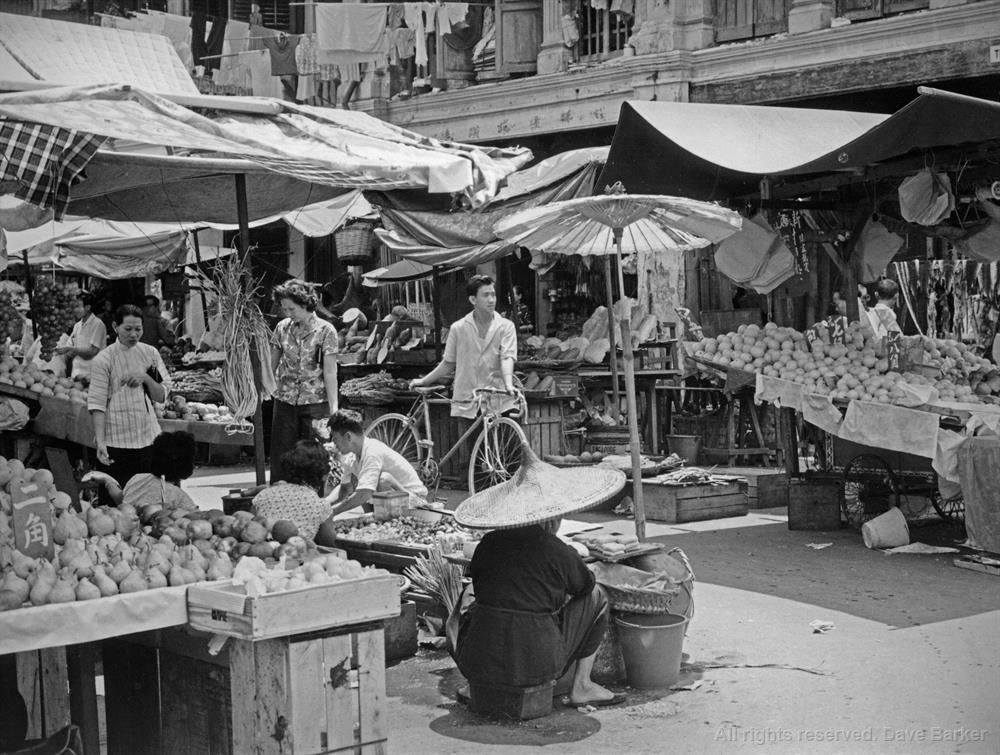
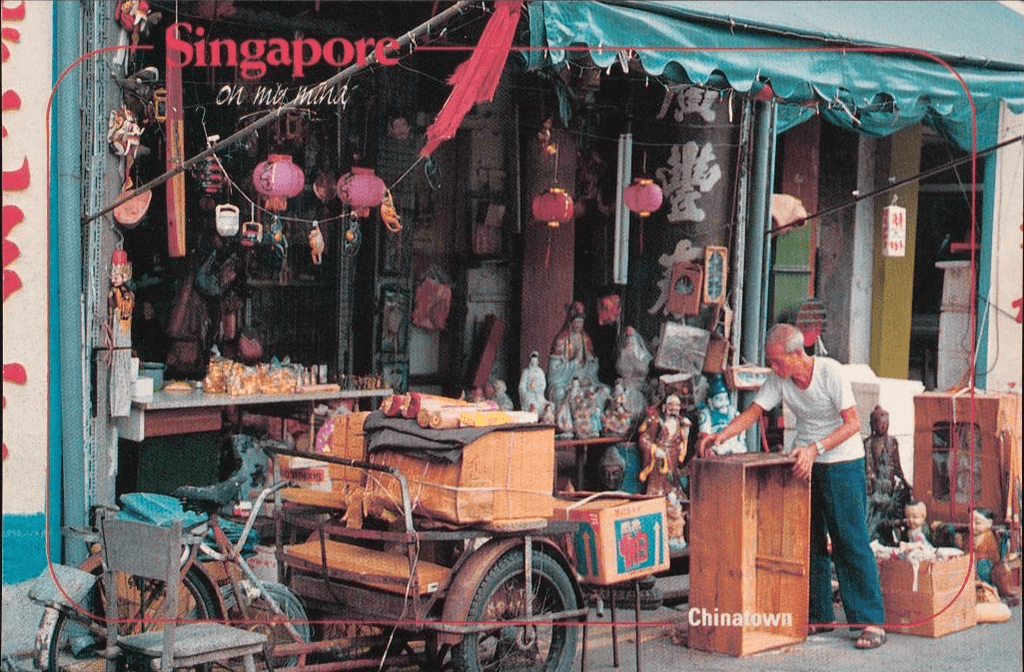
Trade & Commerce: The harbor thrived with merchants trading spices, rubber, tin, and opium. Chinese and Indian businessmen set up shops, while European firms dominated exports.

Labor & Hardships: Many migrants worked as coolies (manual laborers), rickshaw pullers, or rubber plantation workers, enduring tough conditions for meager wages.

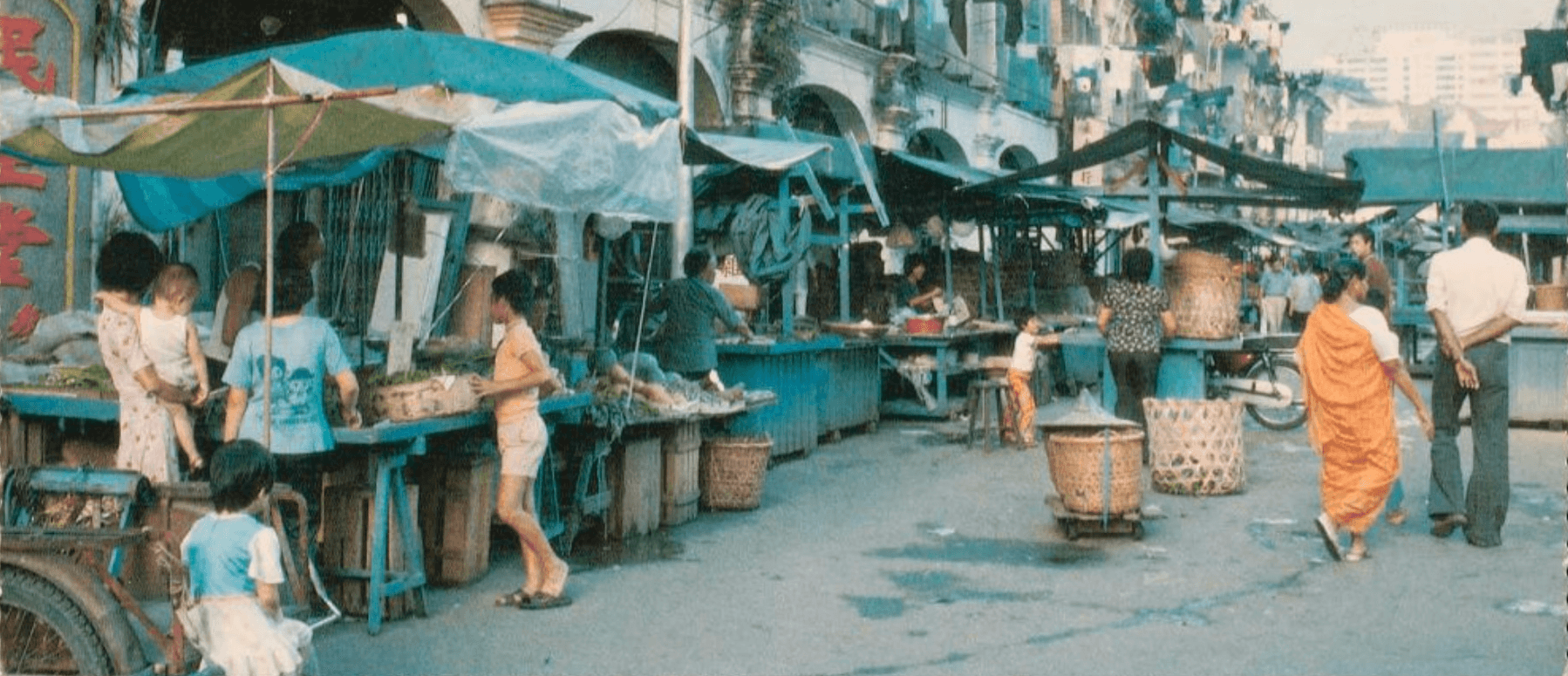
Housing: The wealthy lived in colonial bungalows, while the poor crowded into cramped shophouses or kampong (village) huts.
SOCIETY

SOCIETY

SOCIETY

Food: Street hawkers sold nasi lemak, roti prata, and bak kut teh, blending Malay, Chinese, and Indian flavors.

Entertainment: Wayang (Chinese opera), gambling dens, and British social clubs reflected the diverse pastimes.

Learn more
about
how
they live?

Video from YOUTUBE Channel
@Timeline - World History Documentaries